A customer loves the color of a wig but finds the cap uncomfortable after several hours. For another wearer, the advantage of the natural-looking hairline comes with a drawback: twenty minutes of work on the lace every morning is more than they want. Someone else buys a beautiful unit, only to discover that the density feels heavier than expected.
For a wig brand, these comments are more than customer feedback. They reveal opportunities to develop products people will genuinely enjoy wearing.
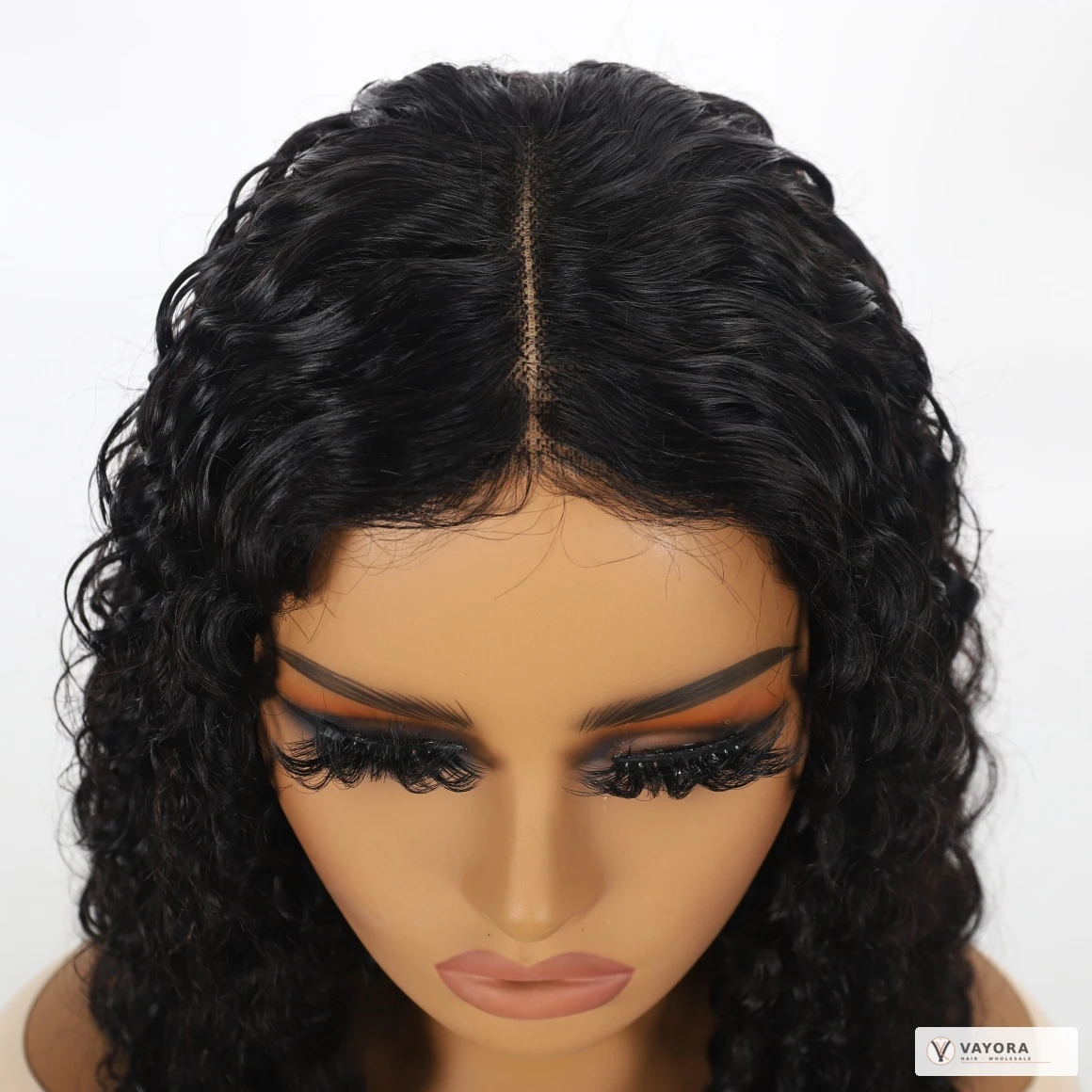
Image credit: vayorahair.com
Successful wig collections aren’t necessarily built around the latest viral hairstyle. The foundation is a solid understanding of the experience of wearing a wig that buyers value.
Explore the Concerns Behind Customer Feedback
A customer’s description of a problem is rarely expressed in the language of manufacturing. The language customers use reflects practical priorities: comfort, convenience, appearance, and confidence. A construction without glue could be one response to feedback about making mornings easier. Complaints about an unnatural hairline could indicate that lace appearance, knot treatment, density, or parting design needs attention.
The human hair wig manufacturer China brands select should turn such practical concerns into measurable specifications.
Rather than ordering a 22-inch body-wave wig alone, a buyer can outline the desired wearing experience, how the cap should fit, lace construction, the look of the hairline, and finished weight. That level of detail gives the development team a clearer target.
Give Your Private Label Range a Distinct Identity
Popular products often become the entire basis for a developing wig brand’s catalog, which can be a mistake. Such an approach can leave the brand with a range that is difficult to distinguish from competitors’ offerings.
To build a more recognizable identity across its products, a brand can collaborate with a private label wig manufacturer China retailers work with. A brand could focus on lightweight daily-wear wigs, a premium range with realistic hairlines, or ready-to-wear styles for customers who prefer little preparation. To keep the collection consistent, align texture, length, color, density, cap construction, and packaging with one customer promise. Rather than relying solely on short-term discounts, a recognizable collection offers shoppers another motivation to shop again.
Glueless Wigs Require More Than a Label
The term “glueless” sounds simple, but the wearing experience depends on several construction details. To understand fit, consider adjustment features and cap sizing, attachment components, lace preparation, and hairline design. All influence comfort and security.
A glueless wig manufacturer China buyers choose should help clarify these requirements before production begins. A brand serving new wig wearers, for instance, might focus on manageable density, pre-cut lace, and simple adjustment features. By contrast, a range for professional hair stylists may call for different customization options. There is no universal preference for either approach. The two approaches address the needs of different customer groups.
Help Preserve Your Brand’s Reputation Through Sampling
Even a clear product image provides only part of the information about a wig. Does the cap fit properly? What is the hair movement like? Buyers also need to check whether the color meets expectations and the finished construction matches the approved design. Sampling provides an opportunity to identify differences before placing a larger order.
For a wholesale human hair wigs supplier, documented specifications and quality-control procedures are especially important when the same style must be produced repeatedly. Without clear references, a successful first batch may be difficult to reproduce consistently.
Build a Collection That Can Grow
VAYORA supports B2B wig brands, retailers, and distributors through product development, private label services, sampling, specification control, and repeat-production workflows. Its approach connects customer expectations with the physical details that determine how a wig looks, fits, and feels.
Prior to expanding a product range, brands should study customer feedback, recognize their strongest product opportunities, and set clear approval standards. A successful next collection might not depend on offering additional styles. What may matter more is fewer compromises in the styles that customers are already looking for.